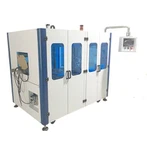
In many industries, especially in chemical, pharmaceutical, and petrochemical fields, corrosive filling lines play a critical role. These systems are designed to handle and fill corrosive substances, which can be a threat to regular equipment. As a result, the design of these filling lines needs special attention. In this article, we'll take a look at what corrosive filling lines are, why they're so important, and how they function across various industries, with a focus on companies like Guangzhou Ritopack , which provide state-of-the-art solutions for these needs.
1. What is a Corrosive Filling Line?
A corrosive filling line is exactly what the name suggests – a system designed to fill corrosive substances. These substances can range from strong acids and bases to other aggressive liquids and gases. Since most materials are vulnerable to corrosion from these substances, the equipment and pipelines in these filling lines need to be specially designed with corrosion-resistant materials to handle the challenge. Guangzhou Ritopack offers custom solutions for such needs, ensuring that their filling lines are up to the highest standards for safety and efficiency.
2. Technical Requirements: Equipment and Material Protection
One of the main requirements for corrosive filling lines is that the equipment must have exceptional corrosion resistance. Common materials used for this purpose include stainless steel , titanium alloys , and other special metals that can withstand the corrosive substances. Additionally, factors such as temperature, pressure, and the flow characteristics of the materials being filled require precise control. For this reason, many filling lines are equipped with high-precision automated control systems , ensuring that each step is executed accurately. Guangzhou Ritopack integrates these advanced features into their systems, ensuring long-term reliability for industries handling corrosive materials.
3. Safety Measures: Protecting Workers and the Environment
Safety is undoubtedly the top priority when operating corrosive filling lines . Leaks, spills, or equipment malfunctions can harm operators and even contaminate the environment. As a result, the design of these systems typically includes sealing systems , leak prevention devices , and emergency stop buttons . These features help mitigate risks in the event of unexpected situations. To further ensure safety, filling lines are often equipped with real-time monitoring systems that track every detail of the filling process. Companies like Guangzhou Ritopack emphasize the importance of these safety features, offering solutions that prioritize both operator safety and environmental protection.
4. Industry Applications: A Broad Range of Uses
Corrosive filling lines are found in a wide variety of industries that deal with corrosive materials. Here are a few examples:
Chemical Industry : For example, when producing strong acids like sulfuric acid or hydrofluoric acid, filling lines are essential for ensuring safe and precise filling processes.
Pharmaceutical Industry : In the production of certain medications, active ingredients can be corrosive, making it crucial for filling lines to ensure contamination-free operations.
Oil and Gas Industry : During the refining of oil and transport of natural gas, corrosive gases and liquids require specially designed systems to safely fill storage containers.
Companies like Guangzhou Ritopack have become industry leaders by providing corrosive filling lines tailored to the unique needs of these sectors, ensuring that they meet the stringent requirements for safety, efficiency, and regulatory compliance.
5. Future Trends: Smart and Eco-friendly Innovations
As technology advances, corrosive filling lines are becoming more intelligent and environmentally friendly . With smart control systems , operators can monitor the filling process in real-time and automatically adjust settings, improving efficiency and reducing human error. On the environmental side, future filling lines will focus on reducing material waste, using green materials , and incorporating more efficient waste gas treatment systems to minimize their impact on the environment. Guangzhou Ritopack is at the forefront of these innovations, developing eco-friendly solutions that help industries reduce their carbon footprint while maintaining high standards of performance.
6. Conclusion
Although corrosive filling lines are highly specialized equipment, they play an essential role in many critical industries. As technology continues to evolve, these systems will become smarter, more eco-friendly, and better equipped to meet the growing complexity of production demands. Through continued innovation, companies like Guangzhou Ritopack are ensuring that these systems remain efficient, safe, and sustainable for years to come.