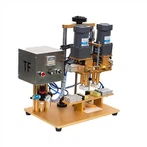
Why Choose Corrosion-Resistant Filling Machines for Harsh Chemicals?

When it comes to packaging corrosive liquids such as acids, alkalis, solvents, or cleaning agents, choosing the right filling machine can make a world of difference. Although traditional filling machines may seem cost-effective upfront, they are not suitable for handling corrosive materials. In this article, we'll explore why corrosion-resistant filling machines are the preferred choice for industries that deal with harsh chemicals, and how companies like Guangzhou RITO Packaging Machine Co., Ltd. offer long-lasting, safe, and efficient solutions tailored to your specific needs.
Table of Contents
Introduction to Corrosion-Resistant Filling Machines
Why Corrosive Liquids Are a Problem for Ordinary Machines
Advantages of Using Corrosion-Resistant Materials
How to Choose the Right Filling Machine for Your Liquid Type
Customization for Maximum Efficiency and Safety
Cost-Benefit Analysis: Long-Term Savings with Corrosion-Resistant Machines
Why RITO is Your Best Choice for Corrosion-Resistant Solutions
Final Thoughts: Choosing the Right Machine for Your Industry
1. Introduction to Corrosion-Resistant Filling Machines
Filling machines are essential in various industries, from food and beverage manufacturing to pharmaceutical and chemical processing. However, not all filling machines are created equal.
In environments where corrosive liquids are involved, standard machines made from stainless steel, carbon steel, or other traditional materials are prone to wear, damage, and contamination.
This is where corrosion-resistant filling machines come into play. These machines are specifically designed to withstand harsh environments and ensure product integrity, machine longevity, and operational safety.
2. Why Corrosive Liquids Are a Problem for Ordinary Machines
Corrosive liquids can cause a variety of issues when processed with standard filling equipment, including:
| Issue | Description |
|---|---|
| Corrosion and Erosion | Metals like stainless steel can degrade when exposed to acids, alkalis, and solvents, leading to mechanical failure. |
| Contamination Risks | Rust, chemical residue, and material degradation can contaminate the product, resulting in safety and quality concerns. |
| Precision Loss | Over time, corrosion can affect filling accuracy and consistency, reducing product quality. |
| High Maintenance Costs | Frequent replacement of parts, cleaning, and repairs increase operational expenses. |
| Safety Hazards | Leaks, component failure, or chemical exposure can lead to serious safety risks in the production line. |
Traditional filling machines lack the chemical resistance and durability needed to process corrosive materials safely and efficiently.
3. Advantages of Using Corrosion-Resistant Materials
Corrosion-resistant filling machines utilize advanced materials such as HDPE (High-Density Polyethylene), PTFE (Polytetrafluoroethylene), PVDF (Polyvinylidene Fluoride), and Stainless Steel 316L. These materials have the unique property of being chemically inert and durable, making them ideal for:
Handling strong acids, alkalis, solvents, and cleaning agents
Preventing material degradation and product contamination
Ensuring long life of the equipment and low maintenance requirements
Supporting hygienic and safe operation in sensitive industries

Common Corrosion-Resistant Materials and Their Uses
| Material | Corrosion Resistance | Common Applications |
|---|---|---|
| HDPE | High | Acids, solvents, chemicals |
| PTFE | Extremely High | Aggressive chemicals, food-grade use |
| PVDF | Very High | Chlorine-based solutions, pharmaceuticals, flammable liquids |
| 316L SS | Medium to High | Liquids with moderate corrosion risk |
These materials are engineered for durability and are used strategically in key components of the filling system, such as the frame, nozzles, pumps, and manifolds.
4. How to Choose the Right Filling Machine for Your Liquid Type
Selecting the correct filling machine depends on the type and chemical nature of the liquids you're handling. Below is a guideline to help you decide:
Use This Table to Match Your Liquid with the Right Filling Machine
| Liquid Type | Corrosion Risk | Recommended Filling Material | Equipment Type |
|---|---|---|---|
| Water | Low | Stainless Steel (304/316L) | Semi-auto / Full auto |
| Milk, Beverages | Low | Stainless Steel | Semi-auto / Full auto |
| Oils, Lubricants | Low to Moderate | Stainless Steel or HDPE | Semi-auto / Full auto |
| Acids (e.g., HCl, H2SO4) | High | HDPE, PVDF, PTFE | Corrosion-resistant |
| Alkalis (e.g., NaOH) | High | HDPE, PVDF, 316L SS | Corrosion-resistant |
| Solvents (e.g., acetone) | High | HDPE, PTFE | Corrosion-resistant |
| High-temperature liquids | High | HDPE, PVDF, and stainless steel with heat resistance | Corrosion-resistant |
| Flammable liquids | High | Inert materials with high sealing performance | Corrosion-resistant |
| Pharmaceutical liquids | High | Hypoallergenic, chemically inert materials | Corrosion-resistant |
This customization approach allows you to choose a machine that is not just functional, but also safe and compliant with industry standards.
5. Customization for Maximum Efficiency and Safety
Not all liquids are the same, and no two production lines are identical. That's where customization becomes vital. At Guangzhou RITO Packaging Machine Co., Ltd., we understand that each industry has unique requirements for equipment durability, precision, and safety.

Custom Solutions Include:
Tailored nozzle materials for different liquid properties
Pump designs that minimize chemical contact and ensure smooth flow
Frame materials that do not react with aggressive chemicals
Minimal maintenance systems with corrosion-resistant components
Integration with automation systems for higher throughput and consistency
Our customization process starts with material testing, process evaluation, and equipment design to ensure that your corrosion-resistant filling machine is perfectly suited to your specific needs.
6. Cost-Benefit Analysis: Long-Term Savings with Corrosion-Resistant Machines
While corrosion-resistant filling machines may cost more upfront than standard models, their long-term benefits far outweigh the initial investment.
Why Corrosion-Resistant Machines are Cost-Effective
| Cost Factor | Ordinary Filling Machine | Corrosion-Resistant Filling Machine |
|---|---|---|
| Material Damage | Frequent corrosion and breakdown | Minimal wear, long-lasting material |
| Maintenance Frequency | High, frequent repairs | Low, only periodic checks needed |
| Downtime | High due to frequent failures | Low with robust, reliable design |
| Replacement Costs | Expensive parts and labor | Durable materials reduce parts cost |
| Product Contamination | Potential for cross-contamination | No risk of material reaction |
| Operational Efficiency | Lower | Higher due to fewer breakdowns |
Corrosion-resistant machines help you reduce long-term costs, increase productivity, and maintain product quality and safety.
7. Why RITO is Your Best Choice for Corrosion-Resistant Solutions
Guangzhou RITO Packaging Machine Co., Ltd. is a high-tech enterprise with over a decade of experience in packaging innovation. Since its establishment in 2013, RITO has been a leader in customized filling machine solutions, especially for corrosive liquids.

Why RITO Stands Out:
Material Expertise – We use the best HDPE, PTFE, and SS 316L to ensure zero corrosion in extreme environments
Advanced R&D Team – Our team of software engineers, mechanical engineers, and industrial designers guarantees customized, reliable, and innovative solutions
Complete Turnkey Services – From design to installation, RITO offers full support to ensure your system works effortlessly and efficiently
Global Reach – Our machines are used in more than 40 countries, including the U.S., Germany, Vietnam, and Indonesia
Lifetime Support – We provide free software updates, lifelong maintenance, and on-site assistance, ensuring your machine never stops running
8. Final Thoughts: Choosing the Right Machine for Your Industry
In conclusion, while both ordinary and corrosion-resistant filling machines have their place, the choice of material plays a crucial role in long-term performance, safety, and cost.
Ordinary machines are ideal for non-corrosive or mild corrosive liquids like milk, water, and oils.
Corrosion-resistant machines are the only solution for aggressive chemicals, including acids, alkalis, solvents, and flammable materials.
Choosing the correct type of filling machine is not just about functionality – it's about ensuring your operation is safe, cost-effective, and sustainable.
At Guangzhou RITO Packaging Machine Co., Ltd., we specialize in corrosion-resistant solutions and can tailor systems to match your exact needs. Whether you're in chemical processing, pharmaceutical packaging, or automotive cleaning, RITO provides machines that are built to last.
Whichever Liquid You're Handling, RITO Has the Right Solution
Our goal is to provide you with high-performance, safe, and easy-to-maintain filling systems that adapt to your industry-specific requirements.
With innovative materials, professional engineering, and customer-centric service, RITO is the ultimate partner for corrosion-resistant filling solutions.
FAQ: Corrosion-Resistant Filling Machines
What is the most corrosion-resistant material for filling systems?
HDPE, PTFE, and PVDF are among the most preferred for handling aggressive chemicals. Each has its strengths depending on the liquid type, temperature, and pressure conditions.
Are corrosion-resistant filling machines more expensive?
Yes, they may cost more initially, but they significantly reduce maintenance and replacement costs in the long run, making them cost-effective over time.
Can I use a corrosion-resistant filling machine for non-corrosive liquids?
Yes, but they're over-engineered for such applications. In many cases, standard machines may be sufficient, but corrosion-resistant machines offer greater durability and less downtime.
What industries benefit most from corrosion-resistant filling machines?
Chemical, pharmaceutical, agricultural, semiconductor, and food hygiene-focused industries all benefit from corrosion-resistant systems.
What does RITO offer in terms of support and service?
We provide lifetime maintenance, free software upgrades, and quick response support. Our team is always available to assist you, even without traveling abroad.
Conclusion
If you are dealing with corrosive liquids, choosing an ordinary filling machine is not just inefficient-it's risky.
Corrosion-resistant filling machines, made from materials like HDPE, PTFE, and stainless steel 316L, are engineered to handle extreme conditions and ensure product safety, equipment durability, and long-term cost savings.
Guangzhou RITO Packaging Machine Co., Ltd. stands out with its innovative designs, industry expertise, and commitment to customer satisfaction. We don't just sell machines-we build solutions that grow with your business.